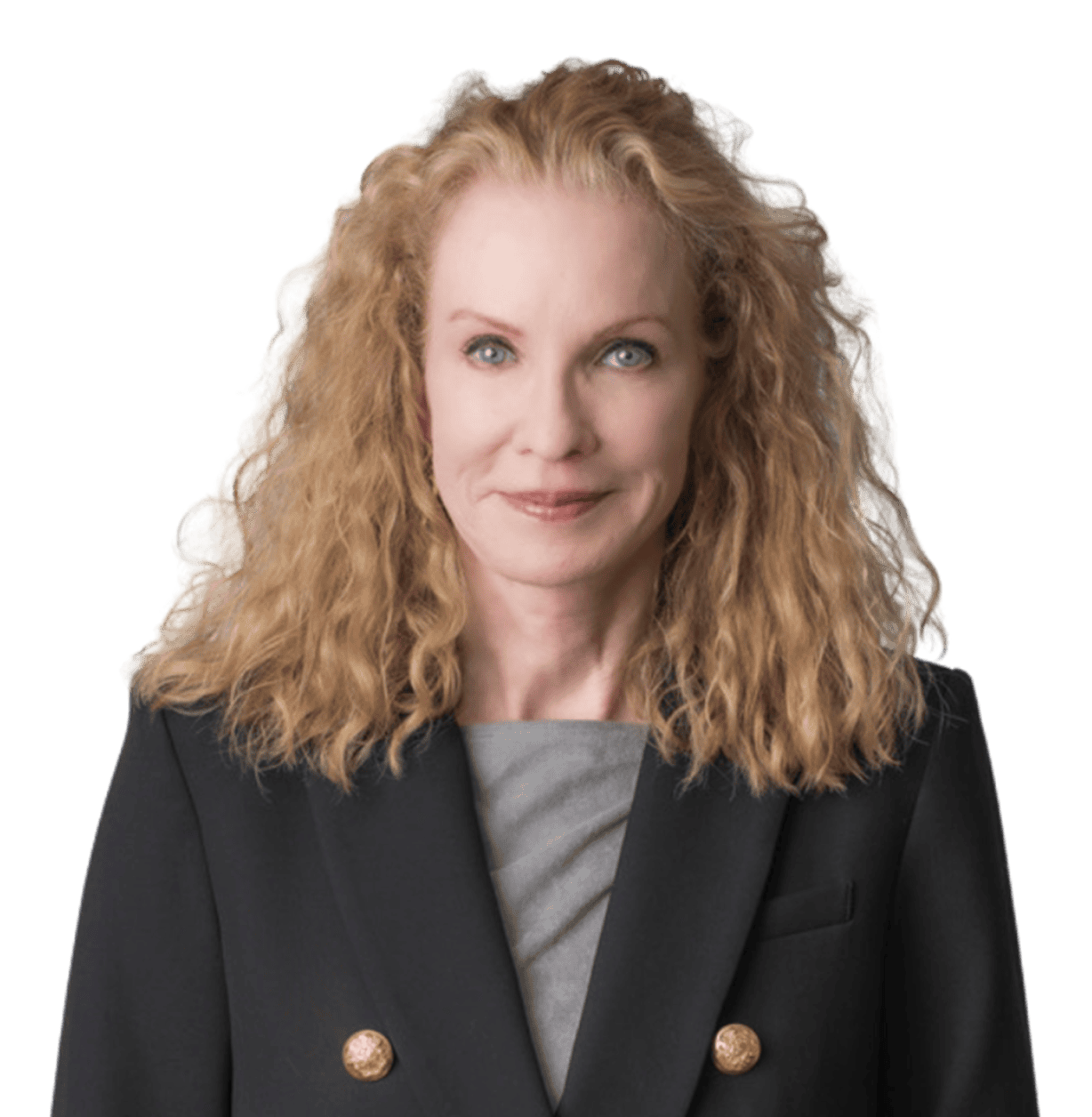
Practice Growth Lessons from Dr. Jerry Chidester, Featured in Beauty and the Biz: The Plastic Surgery Practice Playbook
What does it take to build a recognizable plastic surgery brand, create strong patient demand, and grow from a small startup practice into a major aesthetic destination?
That is what Catherine Maley discussed with Jerry Chidester, MD, also known as Dr. Chiddy, on the Beauty and the Biz Podcast, where they talked about practice growth, social media, patient connection, staffing, culture, building systems, and the vision behind his new 75,000-square-foot practice with five ORs.

Dr. Chidester is also one of the top plastic surgeons featured in Catherine Maley’s book, Beauty and the Biz: The Plastic Surgery Practice Playbook, where Catherine highlights lessons from 175+ plastic surgeon interviews.
This page is part of Catherine’s Practice Growth Lessons from Top Plastic Surgeons series, where she highlights real-world practice-growth lessons from leading plastic surgeons featured on Beauty and the Biz.
About Dr. Jerry Chidester
Jerry Chidester, MD is a board-certified plastic surgeon based in the Salt Lake City, Utah area. He is known to patients and online audiences as Dr. Chiddy, a personal brand name that made him easier to remember and helped him stand out in a crowded aesthetic marketplace.
In his conversation with Catherine Maley, Dr. Chidester shared how he moved from reconstructive and hand surgery into aesthetic private practice, started his own practice shortly before the pandemic, and used virtual consults, social media, patient education, and a strong internal referral network to build demand quickly.
He also discussed the vision behind his major new buildout: a 75,000-square-foot project with approximately 40,000 square feet dedicated to the plastic surgery clinic, med spa, and surgery center, including five operating rooms.
Dr. Chidester’s story is especially relevant for plastic surgeons who want to build a brand that feels personal, approachable, and highly visible without losing sight of culture, systems, staffing, and patient trust.
Podcast Pearl from Dr. Chidester
“Patients don’t choose the surgeon with the best credentials on paper. They choose the surgeon they feel connected to. Credentials matter — but connection is what makes patients trust the recommendation and move forward.”
— Jerry Chidester, MD
That is a powerful lesson for plastic surgeons.
Credentials are important, but they are not enough by themselves. Patients still need to feel seen, understood, and emotionally connected to the surgeon and the practice before they move forward.
For Dr. Chidester, that connection is built through authenticity, education, consistency, and a willingness to show patients the human side of the surgeon. His social media presence is not just about entertainment. It helps patients feel like they already know him before they walk into the consultation.
For plastic surgeons trying to grow today, the lesson is simple: do not rely on credentials alone. Build trust and connection long before the patient sits in the consult. That is how you strengthen branding authority.
Practice Growth Lesson: Connection Creates Demand
One of the most important themes from this episode is that patients are not making a purely logical decision.
They may compare credentials, reviews, photos, and pricing, but the final decision often comes down to how the surgeon makes them feel. Do they feel understood? Do they feel safe? Do they feel like the surgeon “gets” them? Do they feel like the recommendation fits their actual goal?
Dr. Chidester built a brand that gives patients a sense of connection before the consult. His content shows personality, family, team culture, patient education, behind-the-scenes moments, and procedure explanations in a way that feels approachable.
That matters because by the time patients reach out, they are not starting cold. They already have a sense of who he is and what the practice feels like.
For a plastic surgery practice, this is where branding, patient attraction, and consultation conversion work together. The consult is not the first trust-building moment. It is the confirmation of trust already created.
A Second Practice Growth Lesson: Social Media Works When It Reflects the Surgeon’s Real Personality
Dr. Chidester’s social media growth did not happen because he copied another surgeon’s strategy. It worked because it matched his personality.
He talked about using dance, humor, education, and short-form video to break down barriers with patients. He also acknowledged that his style is not for everyone and that is the point. The right patients feel drawn to him, while others may choose someone else.
That is a valuable branding lesson. Strong marketing is not about appealing to everyone. It is about helping the right patients feel connected to the right surgeon.
Dr. Chidester’s “Dr. Chiddy” brand also made a difficult-to-pronounce last name easier for patients to remember, say, share, and search. That kind of memorability matters in a crowded marketplace.
A Third Practice Growth Lesson: Growth Requires Infrastructure
The episode also highlights the operational side of growth. Dr. Chidester started small, grew quickly, added surgeons, opened a med spa, and began building a much larger facility designed to handle demand.
But rapid growth creates pressure. More patients require more staff, more systems, more leadership, more space, more culture, and more clarity about who reports to whom. Dr. Chidester discussed the need for organizational charts, HR support, practice administration, staff structure, and a clear culture as the practice scales.
This is where many practices struggle. Marketing can create demand, but operations determine whether the practice can handle that demand without chaos.
For surgeons building something larger than a solo practice, the takeaway is clear: you cannot rely on personality and momentum forever. At some point, the practice needs systems, leadership, and structure. That connects directly to plastic surgery practice operations.
What Plastic Surgeons Can Learn from Dr. Chidester
This episode includes several practice-growth lessons for plastic surgeons who want to build a stronger, more visible, more connected practice.
- Make the brand easy to remember.Dr. Chidester turned a difficult last name into the more memorable Dr. Chiddy brand, making it easier for patients to say, search, and share.
- Build connection before the consultation.Patients are more likely to move forward when they already feel connected to the surgeon and the practice before they arrive.
- Let patients see the human side of the surgeon.Personality, family, team culture, humor, education, and authenticity can make the surgeon more approachable.
- Use social media as a trust-building tool.Dr. Chidester used social media to educate, entertain, and create familiarity with patients long before the consult.
- Know who you are trying to attract.His brand speaks strongly to the patients who connect with his personality and aesthetic focus. That is better than trying to be generic.
- Capture happy patient moments at the right time.He discussed asking for reviews when patients are emotionally happy with the result, rather than waiting until the excitement fades.
- Culture must be intentional.As the team grows, the practice needs clear values, expectations, and leadership so the brand experience remains consistent.
- Be careful with buildouts and equipment purchases.Dr. Chidester discussed the cost of renovating leased space and buying devices before fully evaluating ROI.
- Growth needs an organizational chart.As the practice scales, staff need to know who they report to, who owns decisions, and how communication flows.
- Think bigger, but build the foundation.His 75,000-square-foot vision is exciting because it is not just more space. It is an attempt to build a destination, training center, clinic, med spa, and surgery center around a clear brand.
Episode Highlights
In this episode of Beauty and the Biz, Catherine Maley and Dr. Jerry Chidester discuss:
- How Dr. Chidester became known as Dr. Chiddy
- Why memorability matters in surgeon branding
- His childhood overseas and path into medicine
- His move from reconstructive and hand surgery into aesthetic private practice
- How he started his own practice shortly before the pandemic
- How virtual consults and a virtual grand opening helped generate momentum
- How social media helped build an internal referral network
- Why patients connect with personality, not just credentials
- The vision behind his 75,000-square-foot practice with five ORs
- How he thinks about partners, associates, culture, and staff retention
- Why he wants employees to feel valued rather than expendable
- How he uses patient excitement to generate reviews
- Why connection and patient experience matter as much as visibility
- The value of educational content for surgeons who are still building their case portfolio
- The importance of building systems before growth becomes unmanageable
Featured in Beauty and the Biz: The Plastic Surgery Practice Playbook
Dr. Chidester is one of the top plastic surgeons featured in Catherine Maley’s Beauty and the Biz: The Plastic Surgery Practice Playbook.
The Playbook distills lessons from 175+ plastic surgeon interviews into practical growth principles for private-practice plastic surgeons who want more patients, better conversions, stronger teams, and a more profitable practice.
These are not theories. They are real-world lessons from surgeons who have built successful aesthetic practices.
Want more practice-growth pearls from top plastic surgeons?

Watch the Beauty and the Biz Episode

Watch Catherine Maley’s conversation with Dr. Jerry Chidester on Beauty and the Biz.
Want Results Like This in Your Practice?
If you are a plastic surgeon trying to grow a stronger practice, the answer is not always more leads.
Sometimes the bigger opportunity is fixing what is already happening inside the practice:
- How your phones are answered
- How consults are handled
- How fees are presented
- How your coordinator builds trust
- How consults convert to booked surgery
- How patients are followed up with
- How your brand differentiates you from every other surgeon in your market
- How your team, systems, and culture support the demand your marketing creates
Catherine Maley helps plastic surgeons identify the revenue leaks holding them back.