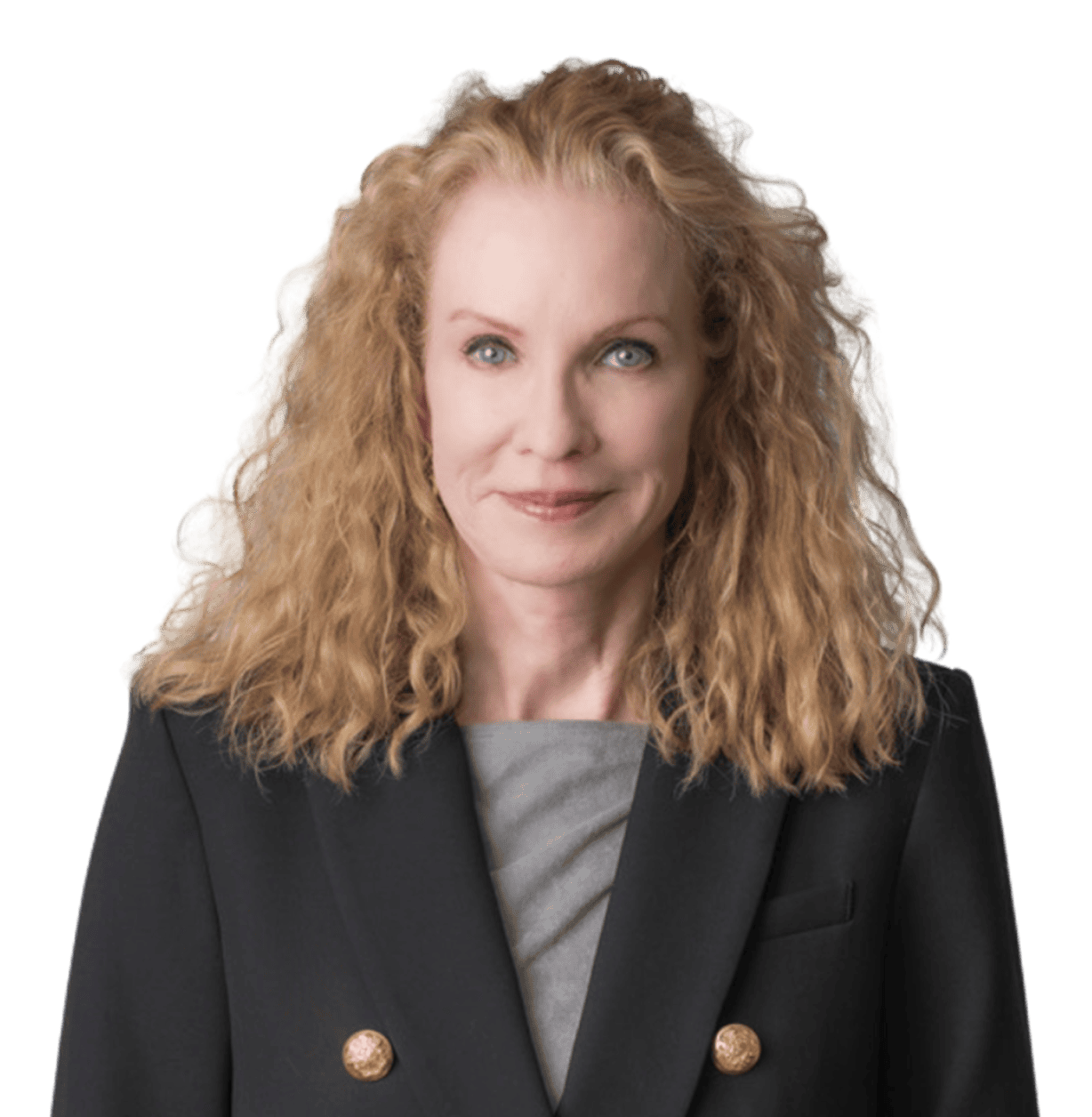
Practice Growth Lessons from Dr. Mike Nayak, Featured in Beauty and the Biz: The Plastic Surgery Practice Playbook
What does it take to build a facial plastic surgery practice where patients trust you before they ever sit in the consultation, price becomes less central, and the business can keep growing without the surgeon controlling every moving part?
That is what Catherine Maley discussed with Mike Nayak, MD, on the Beauty and the Biz Podcast, where they talked about practice growth, branding, patient trust, staff structure, social media, surgical demand, non-surgical profit centers, and the systems required to keep a busy practice running well.

Dr. Nayak is also one of the top facial plastic surgeons featured in Catherine Maley’s book, Beauty and the Biz: The Plastic Surgery Practice Playbook , where Catherine highlights lessons from 175+ plastic surgeon interviews.
This page is part of Catherine’s Practice Growth Lessons from Top Plastic Surgeons, where she highlights real-world practice-growth lessons from leading plastic surgeons featured on Beauty and the Biz.
About Dr. Mike Nayak
Dr. Mike Nayak is a facial plastic surgeon in St. Louis, Missouri, and the founder of Nayak Plastic Surgery and Avani Derm Spa.
In his conversation with Catherine Maley, Dr. Nayak discussed how he built a multi-location aesthetic practice with a surgical facility, a non-surgical side, a large team, internal leadership, patient educational content, and a strong brand that helps patients feel comfortable before they ever call the office.
His practice-growth lesson is especially relevant for plastic surgeons who want more than visibility. Visibility gets attention. Trust, systems, team structure, and a consistent patient experience are what turn attention into long-term practice growth.
Podcast Pearl from Dr. Nayak
“Patients don’t decide during the consultation , they decide based on the trust built beforehand. The consult simply confirms what they already feel.”
— Mike Nayak, MD
That is a powerful lesson for plastic surgeons.
Patients rarely make their decision because of one conversation in the consult room. By the time they arrive, they have already studied your website, watched your videos, looked at your photos, read reviews, followed your social media, and formed a feeling about whether they can trust you.
The consultation should confirm the trust already being built. That is why branding, patient education, and consistency matter so much. When patients feel informed before they meet you, the consult becomes less about convincing and more about confirming.
Practice Growth Lesson: Trust Is Built Before the Consult
One of Dr. Nayak’s strongest messages is that patient trust is created long before the patient is sitting in the chair.
This matters because many surgeons still view the consultation as the moment where the conversion happens. But in a modern aesthetic practice, the patient has often been watching for months or even years. She has seen your results, absorbed your tone, judged your consistency, and compared your brand to every other option in the market.
Dr. Nayak explained that by the time many patients contact the practice, they have already committed emotionally. They have sold themselves by watching, learning, and getting to know the practice over time.
For plastic surgeons trying to improve consultation conversion, the lesson is clear: do not wait until the consultation to build trust. Build it through patient education, transparency, before-and-after proof, social proof, and repeated exposure to your message.
A Second Podcast Pearl: Brand Supports Fees
“When patients trust you, price becomes much less important. You have to build a brand that supports your fees. I don’t want to be the cheapest. I want to be the best.”
— Mike Nayak, MD
This is where branding becomes a business issue, not a vanity issue.
If the practice brand does not support the surgeon’s fees, every conversation becomes harder. Patients compare price because they do not understand value. Coordinators hesitate because they do not have enough proof to reinforce the recommendation. The surgeon starts feeling pressure to explain, justify, discount, or compete.
A strong brand does the opposite. It helps patients understand why the surgeon is different, why the experience is different, why the results are different, and why the investment is appropriate.
Dr. Nayak’s approach points to a premium-practice truth: if you do not want to be the cheapest, your brand has to help patients understand why you may be the best choice for them.
A Third Podcast Pearl: Systems Allow the Practice to Scale
“When patients trust you, price becomes much less important. You have to build a brand that supports your fees. I don’t want to be the cheapest. I want to be the best.”
— Mike Nayak, MD
This pearl connects directly to operations.
A practice cannot scale simply because demand is high. Demand without structure creates chaos. More leads, more providers, more locations, more staff, and more services can all become liabilities if the practice underneath them is not designed to handle volume.
Dr. Nayak’s practice-growth lesson is that scale requires systems. It requires leadership, role clarity, culture, communication, patient flow, and a team that can keep the practice functioning even when the surgeon is not involved in every decision.
That is what separates a busy practice from a well-run practice.
What Plastic Surgeons Can Learn from Dr. Nayak
This episode includes several practice-growth lessons for plastic surgeons who want more patient demand, stronger patient trust, better systems, and a practice that does not depend entirely on the surgeon’s constant involvement.
1.Patients decide before the consultation
Your website, videos, reviews, photos, social media, and patient education are all shaping the decision before the patient meets you.
2.Brand should support the fee
If you want premium fees, the market has to understand your difference before price is discussed.
3.The consultation should confirm trust
When patients arrive already educated and aligned, the consult becomes a confirmation instead of a persuasion event.
4.Systems protect growth
Growth works better when the practice has the infrastructure to handle leads, consults, staff, and patient flow.
5.Leadership needs structure
Dr. Nayak described having different leadership roles for people, process, implementation, staff communication, and accountability.
6.Multi-location practices need one culture
A second location can create an “us versus them” problem unless the team is deliberately integrated.
7.Staff should grow into better seats
Some of Dr. Nayak’s strongest team members evolved into roles that did not exist when they first joined the practice.
8.Not every service needs to be the most profitable
Some services support patient convenience, retention, and keeping patients inside the practice ecosystem.
9.Organic trust can outperform forced selling
When patients have followed you long enough to believe in your work, selling becomes less necessary.
10.The surgeon must learn to step back
A scalable practice needs capable people and systems so the surgeon is not the bottleneck for every decision.
Episode Highlights
- How Dr. Nayak built Nayak Plastic Surgery and Avani Derm Spa in St. Louis
- How his practice evolved into two locations with a large team and multiple profit centers
- Why he separates “people” leadership from “process” leadership inside the practice
- How an aesthetician eventually became one of his key management leaders
- Why he created new roles as pain points appeared in the practice
- How he thinks about surgical versus non-surgical revenue streams
- Why he intentionally keeps patients under the practice umbrella for future services
- How social media, messaging, and long-term visibility pre-sell the patient before the consult
- Why many patients have already “sold themselves” by the time they contact the practice
- How he used simple billboard messaging such as Nose by Nayak and Neck by Nayak
- Why fixing the inquiry-to-consult process made his time more valuable
- How he uses leadership structure, department heads, and monthly meetings to keep communication flowing
- Why staff culture matters when hiring and retaining high performers
- How he encourages strong employees to grow into better roles inside the practice
Featured in Beauty and the Biz: The Plastic Surgery Practice Playbook
Dr. Nayak is one of the top plastic surgeons featured in Catherine Maley’s Beauty and the Biz: The Plastic Surgery Practice Playbook.
The Playbook distills lessons from 175+ plastic surgeon interviews into practical growth principles for private-practice plastic surgeons who want more patients, better conversions, stronger teams, stronger retention, and a more profitable practice.
These are not theories. They are real-world lessons from surgeons who have built successful aesthetic practices.
Want more practice-growth pearls from top plastic surgeons?

Watch the Beauty and the Biz Episode

Watch Catherine Maley’s conversation with Dr. Mike Nayak on Beauty and the Biz.
Want Results Like This in Your Practice?
If you are a plastic surgeon trying to grow a stronger practice, the answer is not always more leads.
Sometimes the bigger opportunity is fixing what is already happening inside the practice:
- How your phones are answered
- How consults are handled
- How fees are presented
- How your coordinator builds trust
- How consults convert to booked surgery
- How patients are followed up with
- How your brand differentiates you from every other surgeon in your market
- How your systems support growth instead of creating chaos
Catherine Maley helps plastic surgeons identify the revenue leaks holding them back.