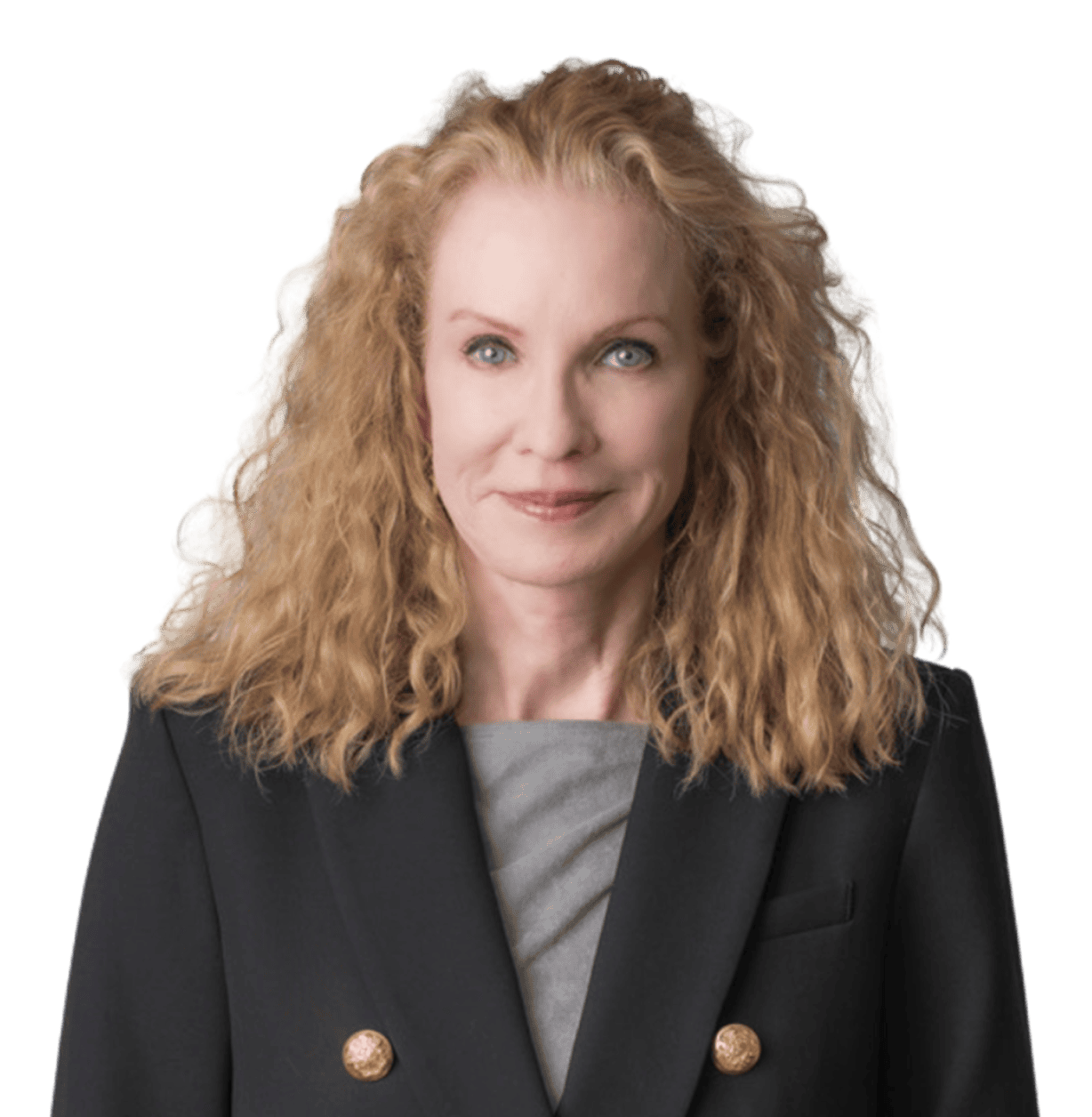
Practice Growth Lessons from Dr. Edwin Williams, Featured in Beauty and the Biz: The Plastic Surgery Practice Playbook
What does it take to build long-term value in a plastic surgery practice, understand the business fundamentals that protect that value, and evaluate private equity without giving up control blindly?
That is what Catherine Maley discussed with Edwin Williams, MD, on the Beauty and the Biz Podcast, where they talked about practice growth, private equity, business fundamentals, practice value, team structure, operations, leadership, and what surgeons need to understand before they sell, scale, or transition their practice.

Dr. Williams is also one of the top facial plastic surgeons featured in Catherine Maley’s book, Beauty and the Biz: The Plastic Surgery Practice Playbook, where Catherine highlights lessons from 175+ plastic surgeon interviews.
This page is part of Catherine’s Practice Growth Lessons from Top Plastic Surgeons
About Dr. Edwin Williams
Edwin Williams, MD is a double-board-certified facial plastic surgeon and founder of The Williams Center in Latham, Albany, New York.
He has built a destination facial plastic surgery practice with multiple locations, a private surgery center, a med spa, a hair center, and a large team supporting both surgical and non-surgical patients.
Dr. Williams has served in major leadership roles in facial plastic surgery, including as past president of the American Academy of Facial Plastic and Reconstructive Surgery, and he is known for his business acumen as well as his clinical experience.
In his conversations with Catherine Maley on Beauty and the Biz, Dr. Williams discussed what surgeons need to understand about leadership, scale, staff structure, practice value, and private equity before they make major business decisions.
Podcast Pearl from Dr. Williams
“You can’t build real, long-term value in a practice if you don’t understand basic business fundamentals.
Understanding the business side isn’t optional anymore; it’s how you protect what you’re building.”
— Edwin Williams, MD
That is a powerful lesson for plastic surgeons.
Aesthetic practice value is not built only in the operating room. It is built through the business fundamentals that support the surgeon’s clinical reputation: leadership, financial discipline, systems, patient flow, team structure, metrics, profitability, and long-term planning.
Many surgeons are excellent clinically but underprepared for the business side of practice ownership. That becomes a problem when they want to grow, add providers, reduce chaos, prepare for private equity, transition leadership, or eventually exit.
For plastic surgeons trying to grow today, the lesson is simple: if you do not understand the business side, you cannot fully protect what you are building. That is why practice operations matter.
Practice Growth Lesson: Business Fundamentals Protect Practice Value
One of the biggest mistakes plastic surgeons make is assuming a busy practice is automatically a valuable practice.
Busy does not always mean profitable. High revenue does not always mean strong EBITDA. A full schedule does not always mean the practice is scalable. And a well-known surgeon does not automatically have a sellable business.
Dr. Williams’ message is that long-term value comes from understanding the fundamentals underneath the practice.
That includes knowing the numbers, understanding overhead, building leadership depth, documenting systems, training staff , creating repeatable patient experiences, and reducing dependence on the surgeon as the only revenue engine.
This is where many surgeons get surprised. They build a practice around their own talent, reputation, and work ethic, but they do not always build the structure that makes the practice more durable, more profitable, and more transferable.
That is why this conversation fits so well inside The Plastic Surgery Practice Playbook. It is not just about marketing. It is about building a practice that has real value.
A Second Podcast Pearl: Private Equity Is Not Magic
“Private equity only works if it actually makes the practice better. Simply rolling up revenue streams doesn’t add value. Most platforms won’t deliver that second bite of the apple. And surgeons need to understand — when you sell your practice, it’s not yours anymore.”
— Edwin Williams, MD
This is one of the most important warnings for plastic surgeons considering private equity.
Private equity can provide liquidity, operational support, capital, and a path to monetize what the surgeon has built. But it can also reduce autonomy, change decision-making, alter the culture, and disappoint surgeons who expected a second bite of the apple that never materializes.
Dr. Williams’ point is practical: rolling up revenue streams is not the same as building value. A private equity platform only works if it actually makes the practice better.
Surgeons need to understand the trade-off. Once the practice is sold, the practice is no longer fully theirs. That may be worth it for some surgeons, but it should be evaluated with eyes wide open.
This is not an emotional decision. It is a business decision.
Why Private Equity Requires Business Discipline
Private equity is attractive to many surgeons because it appears to offer a way to monetize years of hard work. But the details matter.
A surgeon needs to understand what is actually being valued, what control is being transferred, what obligations remain, what equity is being rolled, what happens after the first transaction, and whether the platform can truly improve operations.
For many practices, the stronger move may be to improve the business fundamentals first: clean up financials, strengthen the team, document processes, improve conversion, build retention, increase profitability, and make the practice less dependent on the founder.
Those improvements matter whether the surgeon sells, stays independent, brings on an associate, joins a platform, or transitions the practice internally.
That is how surgeons create optionality.
What Plastic Surgeons Can Learn from Dr. Williams
This episode includes several practice-growth lessons for plastic surgeons who want to build a stronger, more profitable, more valuable practice.
- Understand the business side early. Clinical skill is essential, but practice ownership also requires financial, operational, and leadership discipline.
- Do not confuse revenue with value. Revenue matters, but profitability, systems, team depth, and reduced owner dependence are what make a practice more durable.
- Build structure before you need an exit. If the practice is chaotic, overly dependent on the surgeon, or poorly tracked, that will show up during any serious evaluation.
- Think carefully before selling. Private equity may create opportunity, but it also changes control, incentives, reporting, and decision-making.
- Ask whether the platform actually improves the practice. A roll-up only adds value if it creates stronger operations, better leadership, smarter marketing, and better financial outcomes.
- Know what you are giving up. When you sell the practice, it is no longer fully yours, even if you continue working there.
- Protect the culture. Growth, investment, or outside ownership should not destroy the patient experience or the team culture that made the practice valuable.
- Measure what matters. The practice should know its revenue, overhead, profitability, conversion, retention, staffing costs, lead sources, and patient flow.
- Create leadership depth. A practice with all decisions flowing through the surgeon is fragile. Leadership structure increases stability and value.
- Build a practice that gives you options. The strongest practices are not trapped. They can stay independent, grow, sell, partner, or transition because the fundamentals are solid.
Episode Highlights
In this episode of Beauty and the Biz, Catherine Maley and Dr. Edwin Williams discuss:
- Why private equity is attracting more attention in plastic surgery
- Why many private equity platforms fail to create real value
- What surgeons should understand before selling their practice
- Why a second bite of the apple is not guaranteed
- How control changes once a practice is sold
- Why basic business fundamentals matter more than ever
- How surgeons can protect the value they have spent years building
- Why profit, EBITDA, systems, and leadership structure matter
- How a practice can be busy but still not be truly valuable
- Why outside ownership is not good or bad — it depends on the deal and the strategy
- Why surgeons should be careful, analytical, and realistic about the trade-offs
- How long-term practice value depends on operations, conversion, retention, and leadership
Featured in Beauty and the Biz: The Plastic Surgery Practice Playbook
Dr. Williams is one of the top plastic surgeons featured in Catherine Maley’s Beauty and the Biz: The Plastic Surgery Practice Playbook.
The Playbook distills lessons from 175+ plastic surgeon interviews into practical growth principles for private-practice plastic surgeons who want more patients, better conversions, stronger teams, and a more profitable practice.
These are not theories. They are real-world lessons from surgeons who have built successful aesthetic practices.
Want more practice-growth pearls from top plastic surgeons?

Listen to the Beauty and the Biz Episode

Listen to Catherine Maley’s conversation with Dr. Edwin Williams on Beauty and the Biz.
Additional Beauty and the Biz Episode with Dr. Williams

Dr. Williams also appeared on Beauty and the Biz in an earlier episode about managing a large practice with 75 staff.
Listen to: Manage 75 Staff? No Way! Interview with Edwin Williams, MD (Ep.139)
This earlier episode supports the same core theme: surgeons need business fundamentals, leadership, systems, and team structure if they want to scale without being consumed by the practice.
Want Results Like This in Your Practice?
If you are a plastic surgeon trying to grow a stronger practice, the answer is not always more leads.
Sometimes the bigger opportunity is fixing what is already happening inside the practice:
- How your phones are answered
- How consults are handled
- How fees are presented
- How your coordinator builds trust
- How consults convert to booked surgery
- How patients are followed up with
- How your systems support growth without chaos
- How your numbers reveal the real value of the practice
- How your brand differentiates you from every other surgeon in your market
Catherine Maley helps plastic surgeons identify the revenue leaks holding them back.